
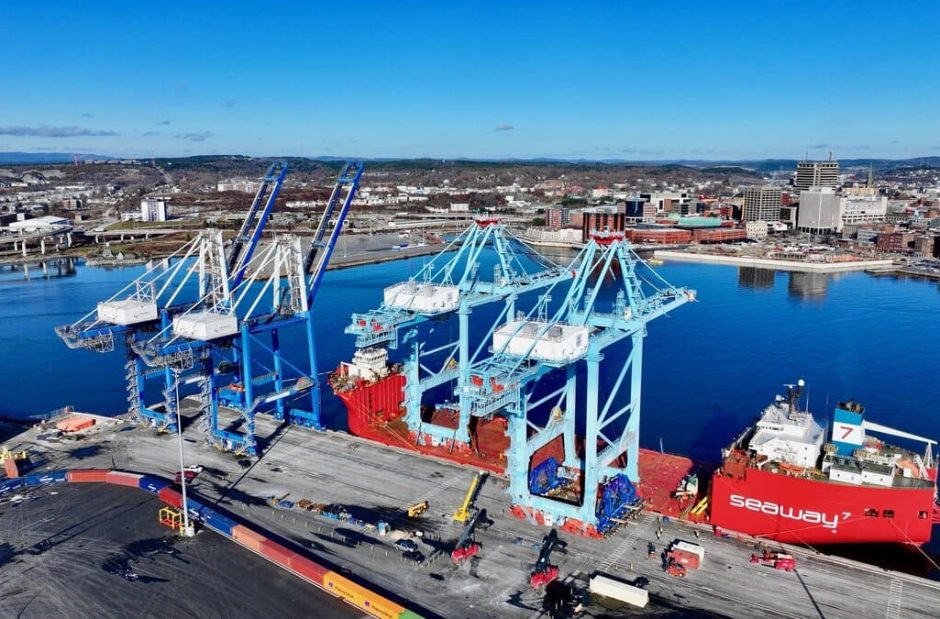
In 2025, Port Saint John introduced a dedicated dredging services fee as part of its tariff schedule (Notice N-8, effective April 19, 2025). This dredging services fee is a charge applied to ships that transit the dredged areas of the port in order to access berths in designated zones. Any commercial vessel calling Saint John and using the maintained deepwater channels (Zone 1 or Zone 2) incurs this fee. The fee is calculated based on the vessel’s gross tonnage (GT).
Key Aspects of the 2025 Structure:
- Two Dredging Zones: Zone 1 (inner-harbour) and Zone 2 (outer areas). A vessel calling both zones in one call pays only the Zone 1 fee.
- Per-GT Rates:
- Zone 1: $0.4514/GT
- Zone 2: $0.0605/GT
- Fee Triggers: Charged per call when vessel is secured at berth (first line ashore).
- Exemptions:
- Non-commercial government vessels
- Pleasure craft
- Emergency calls
- Brief non-working stops (<12 hours)
- Vessels with draught ≤5.0 meters
- Cruise Ship Rule: Charged only at Zone 2 rate regardless of actual zone entered
2026 Update: Tariff Formalization and Continuity
By 2026, the two-zone, per-ton dredging fee structure was formally integrated into the annual tariff schedule, effective January 1, 2026.
Highlights:
- No Rate Changes: Same per-GT rates as 2025
- Same Application Rules: Single charge per call, cruise ship exception, same exemptions
- Stabilization Strategy: Signals confidence in structure and provides predictability for port users
Comparative Rate Analysis
| Vessel GT | 2025 Fee (Zone 1) | 2025 Fee (Zone 2) | 2026 Fee (Zone 1) | 2026 Fee (Zone 2) |
|---|---|---|---|---|
| 10,000 | $4,514 | $605 | $4,514 | $605 |
| 50,000 | $22,570 | $3,025 | $22,570 | $3,025 |
| 100,000 | $45,140 | $6,050 | $45,140 | $6,050 |
- Cruise ships: Always pay Zone 2 rate
- Vessels ≤5.0m draught: Exempt
Rationale Behind the Dredging Fee
- Cost Recovery: Covers deepening and maintenance costs for port channels
- Fairness: Larger vessels that require deeper waters pay more
- Incentives: Low charge for cruise ships and shallow vessels encourages their traffic
- Transparency: Separates dredging from other port dues
Stakeholder Impacts
Vessel Operators:
- Extra cost per call; may result in surcharges
- Helps enable calls by larger ships, which may offset cost per container
Logistics Companies:
- Must incorporate into total routing cost
- Fee may be justified by operational benefits (capacity, efficiency)
Port Competitiveness:
- Fee could be offset by improved infrastructure and service
- Comparable to other Canadian ports like Montreal (St. Lawrence fee)
- Transparency helps shippers understand what they pay for
Canadian Port Comparison
- Halifax: No separate dredging fee; included in general dues
- Montreal: Federal St. Lawrence dredging fee ~$0.06/GT (similar to Saint John Zone 2)
- Vancouver: General harbour dues only; dredging costs bundled
- Saint John: Unique two-tier system aligns with usage and dredging intensity
Conclusion
Port Saint John’s dredging tariff introduced in 2025 and continued unchanged in 2026 reflects a strategic, transparent approach to cost recovery. The two-zone, usage-based fee supports the port’s infrastructure while allowing stable, predictable charges for users. As long as dredging maintains navigational reliability and enables larger ships, the tariff provides value to stakeholders.
To streamline logistics, consult the Saint John & Moncton Drayage Directory for top trucking and intermodal providers in the region.